Our Mission
Helping people build lives of possibility and purpose.
Who we are
Goodwill Columbus is a 501(c)(3) nonprofit organization, serving the Central Ohio community since 1939. With over 1,000 employees, Goodwill Columbus is proud to be one of the region’s largest job providers employing individuals with diverse backgrounds and unlimited potential.
What we do
Goodwill Columbus is a proud member of Goodwill Industries International, a network of over 150 community-based organizations throughout the United States and Canada that sell donated goods to create job opportunities and training in local communities.
Goodwill Industries was founded in 1902 by Reverend Edgar J. Helms, a minister and early social innovator. Helms started Goodwill with the idea that people could earn a living repairing and selling donated goods. His business model was rooted in the philosophy we all deserve opportunity. “Not charity, but a chance,” he often said.
For more information on Goodwill Industries International, visit www.goodwill.org.
Where we are
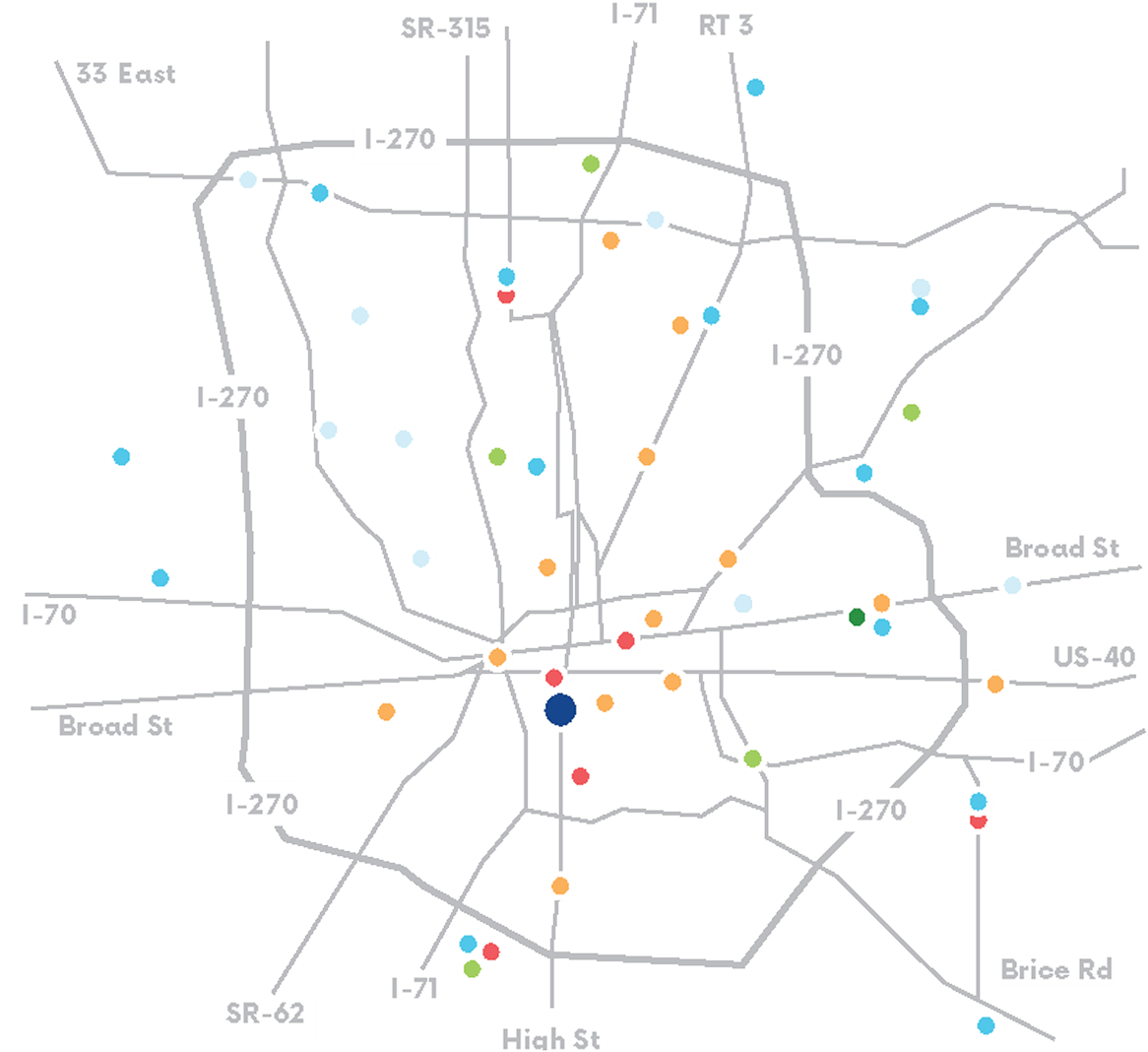
You likely know Goodwill as your neighborhood thrift store or donation center, but this organization is so much more. With human services ranging from job training to vocational habilitation, it’s important that we meet the people we serve in their very own communities. That’s why we have created strategies to focus on local integration and taking our services to the individuals who need them most.
Below you’ll see a map displaying all Goodwill Columbus services and locations, for a map specific to our retail stores click here.
Goodwill success stories
We’re committed to helping Central Ohioans build lives of possibility and purpose. Here are some of those stories.
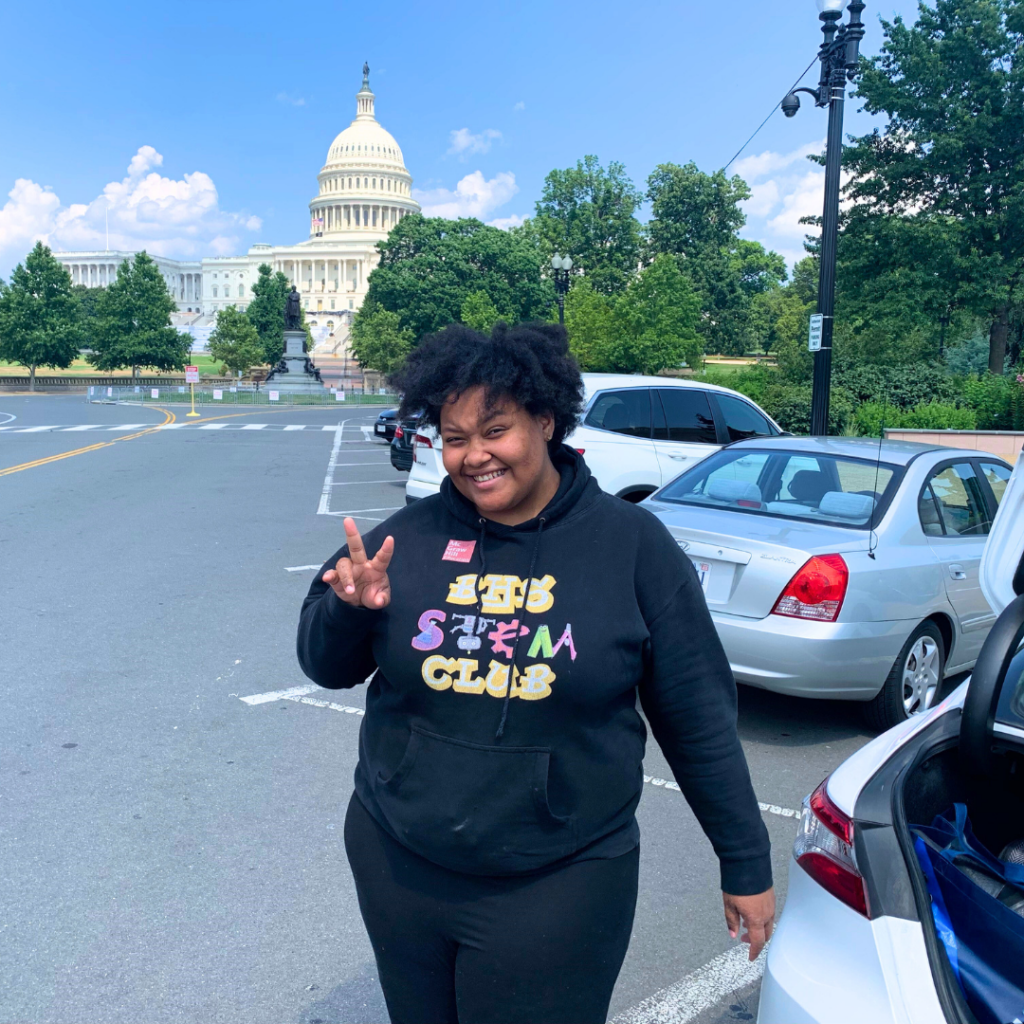
Destiny
Destiny conquered challenges and secured herself a rewarding career through the A.MP. Program at Goodwill Columbus.
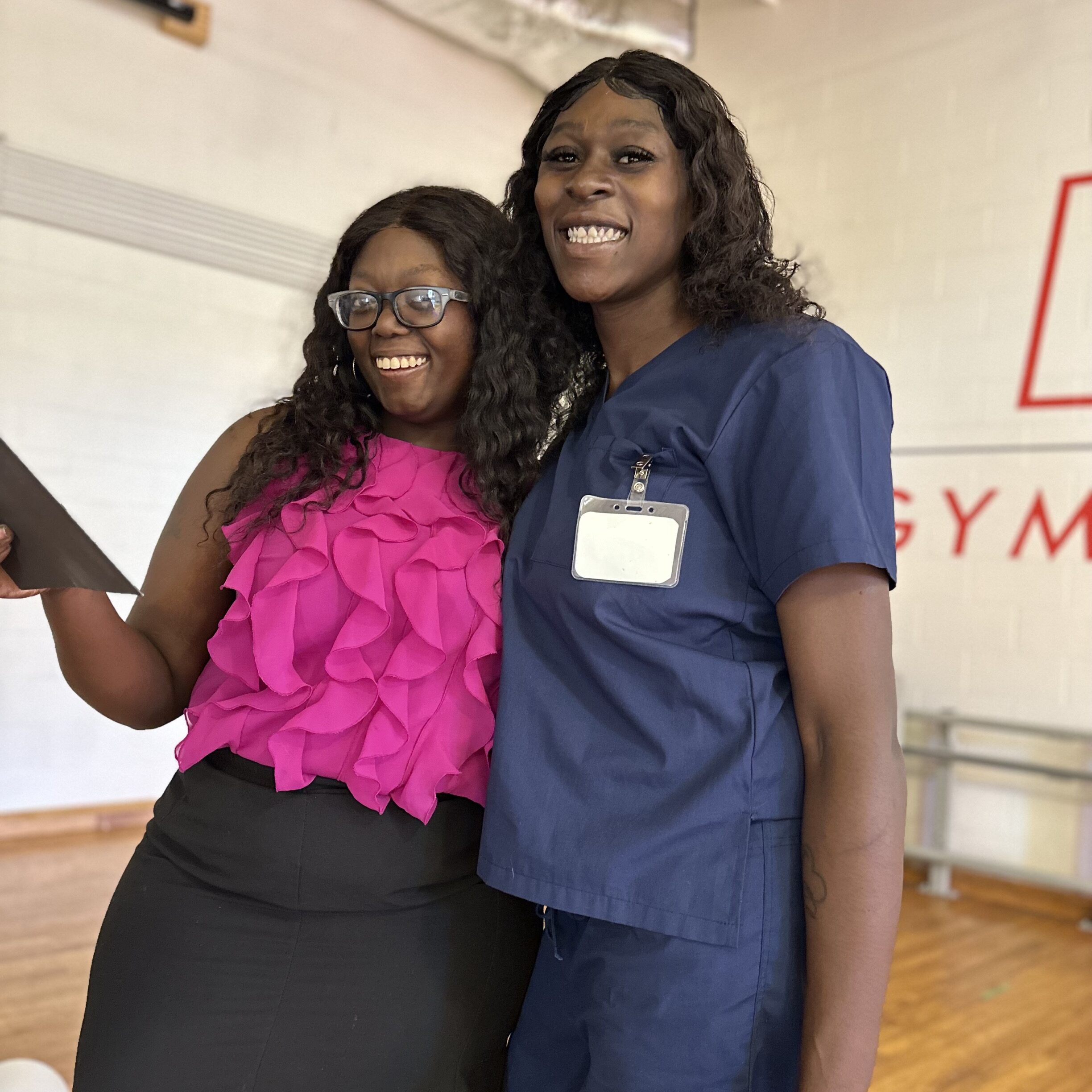
T-Keyah
Through Goodwill Columbus’ STNA Job Training, T-Keyah was able to accomplish her dreams.
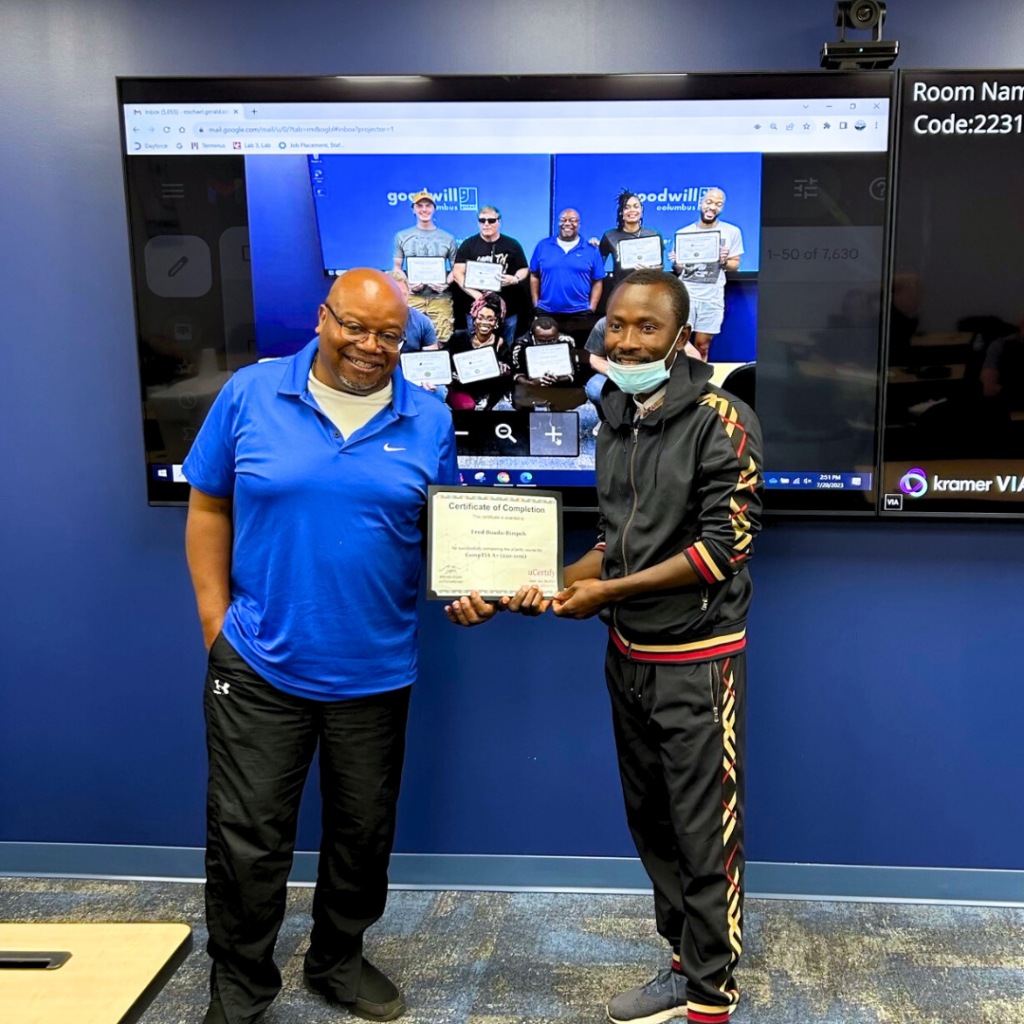
Fred
Despite the challenges, Fred was able to find success in the IT field through Goodwill Columbus’ free job training.
Annual Impact Report
The impact of Goodwill Columbus is vast: a job, a community, a painting, even a pair of shoes. Click to learn more about the work we do and the impact we’ve made.
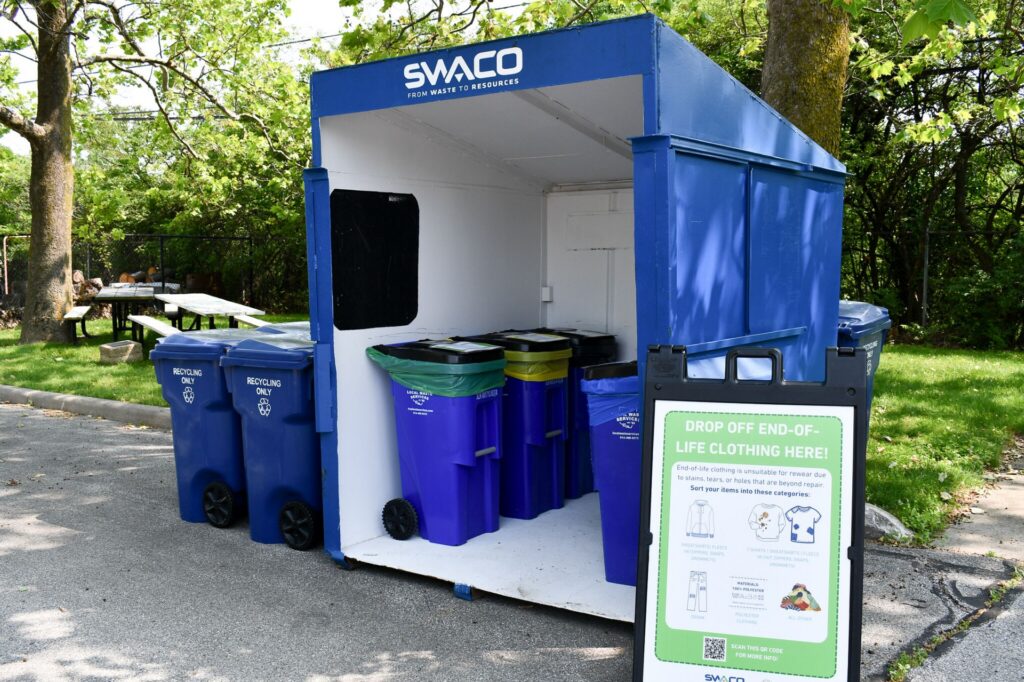
Textile Recycling with SWACO
Clothing that can’t be resold or reused elsewhere because it is stained, ripped, or worn-out and doesn’t meet donation standards is considered to be at its ‘end-of-life’. Historically, there haven’t been many options to recycle these unwanted fabrics, and they commonly wind up in landfills or incinerated here in the U.S. or exported overseas further expanding carbon footprint into low-income communities—SWACO wanted to help change that.
100K
people
helped since 2020
23%
of employees with
a documented disability
13 mil
pounds of
material diverted